3 of the Best Food Destinations in the World: A Travel Advisor's 2026 Recommendations
Best Food destination takeaways
Culinary travel is now bypassing wellness and trekking as one of the fastest-growing trip types
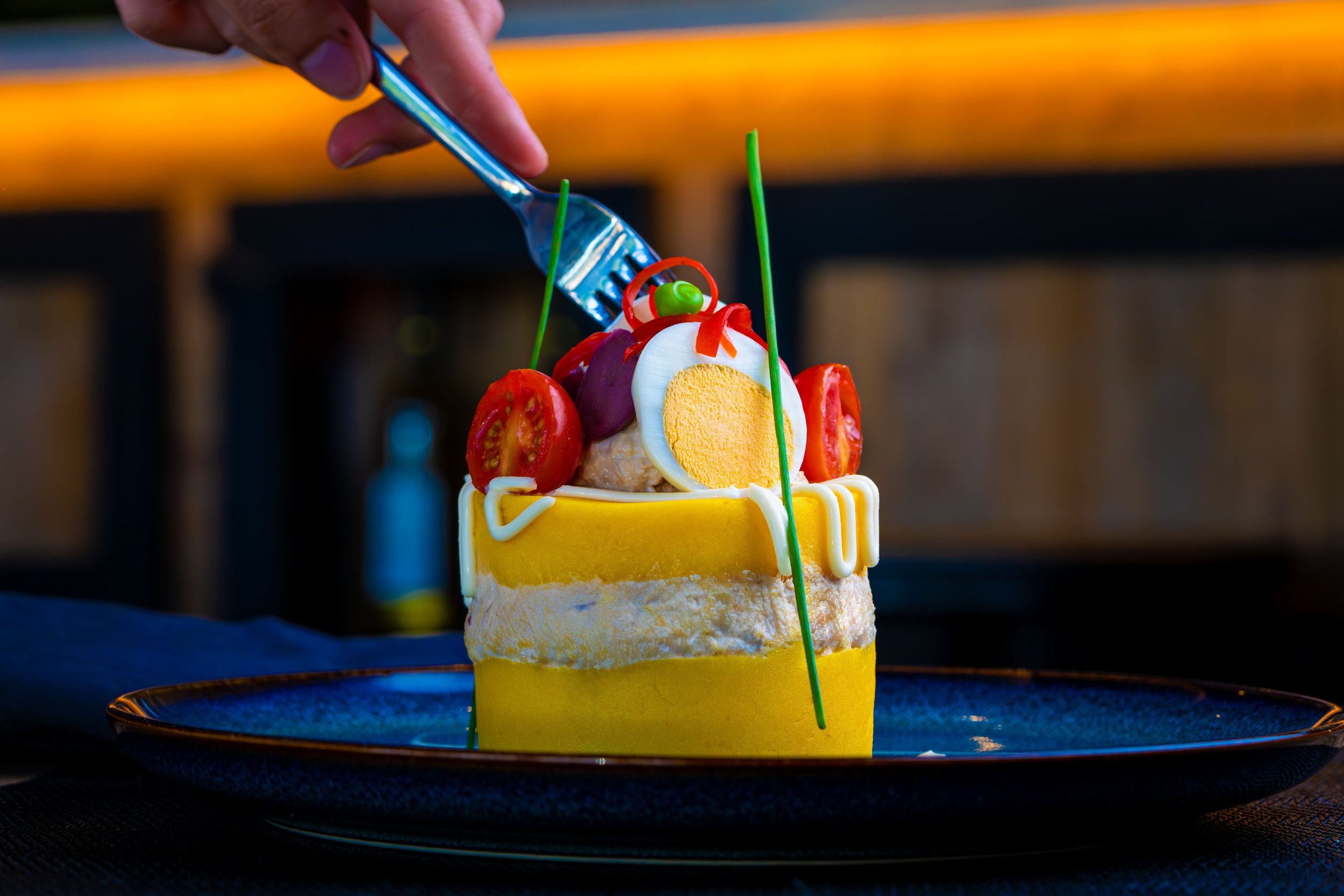
Lima has produced two of the last three World's Best Restaurant titles and has four restaurants in the global top 40
Oaxaca's food culture is rooted in 3,000 years of indigenous culinary history that outlasts tourism pressure
San Sebastian has more Michelin stars per square foot than almost any city on earth, second only to Kyoto
Culinary travel is one of the fastest-growing trip types in the world, and the travelers doing it best aren't starting with a destination. They're starting with the kind of experience they want to have around a table. New studies from Adventure Travel Trade Association show that culinary travel is bypassing other popular types of trips, like wellness, trekking, cruising, and more. As travelers seek deep, meaningful experiences, they are turning to the food traditions that unveil a destination. What once might have been an activity on the itinerary is now becoming the purpose of travel, because traveling to a culinary destination has a way of placing you inside a culture in a way that nothing else quite replicates.
I'm seeing this in my work as a luxury travel advisor. My travel passions quiz consistently shows the most interest in food travel (43% interest). With my own personal passion for food, it's one of the first things I ask about when planning a client's trip. Not just "do you like good food" (because who doesn't?) But what kind of experience you want to have around a table, and how central you want it to be to the trip itself.
If the answer is "Food is the point," there are three destinations that I am recommending: Lima, Peru; Oaxaca, Mexico, and San Sebastian, Spain. They're not the obvious choices like Italy or Japan. Rather, they are the choices I keep coming back to because of their distinct approaches to blending tradition with innovation. As you read about each, you'll likely find one making your mouth water more. That's where we start when designing your trip.
Table of Contents
Lima is Home to the Best Restaurant in the World 2025
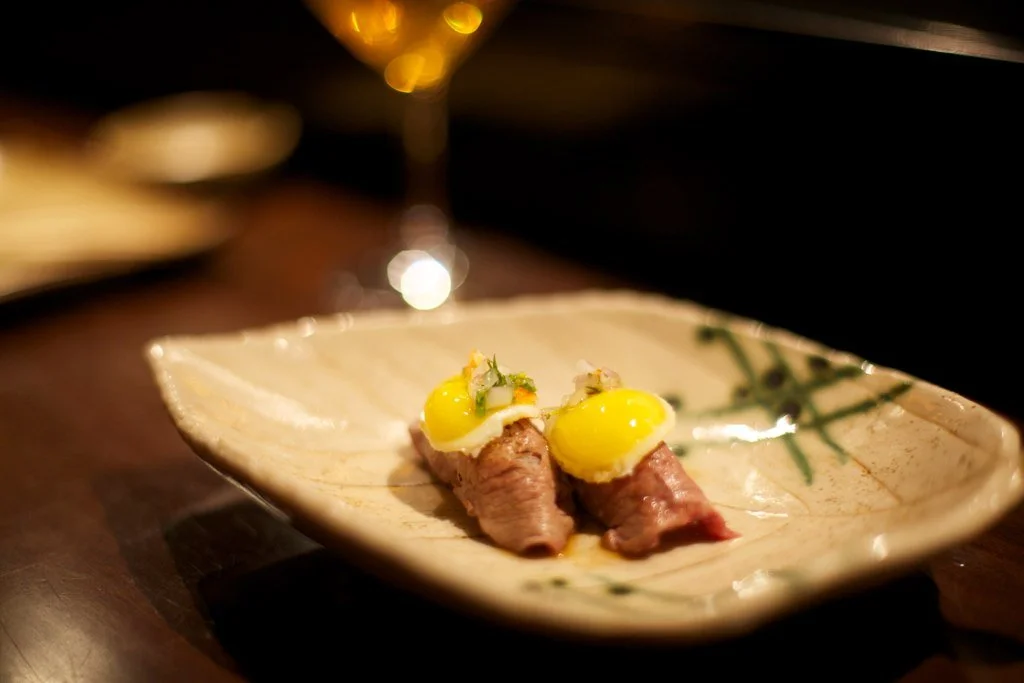
Image by Cathrine Lindblom Gunasekara
Lima is one of the best food destinations in the world right now, with four of its restaurants on the World's 50 Best Restaurants list. Maido leads that list right now, plus in 2023 Central claimed the same title. I recently co-wrote about Lima for Des Moines' DSM Magazine's food travel feature, and I kept coming back to the same question: why aren't more luxury travelers who prioritize culinary experience putting this city on their radar?
What makes Lima so compelling as a food travel destination is that it's built on decades of fusion history. Japanese immigrants arrived in Lima beginning in the late 19th century, and what emerged is Nikkei cuisine: one of the most distinctive and celebrated culinary traditions in the world. Beyond that, Peru is known for food that blends flavors from around the world. As Chef Mitsuharu Tsumura of Maido describes it: "The great thing about Lima is all the influences it has from other countries. It's a melting pot of cultures. People from other countries say we like to 'Peruvianise' everything. You can't say that Peru has a distinct flavour, it's a rollercoaster: Asian, European, Peruvian, but always tasty."
As I shared with Undiscovered Sunsets client Sammy Mila, owner of local Des Moines Crème Bakery, Lima as a food-centric destination works beautifully across every price point. Sammy is game for Michelin-level dining and enjoys the artistry of it all, but admits that "cheap and questionable is my favorite way to eat." Across price points and experiences, from food tours through Lima to Michelin-level dining, this city brings that rollercoaster variety.
For a taste of authentic Lima street food, Grimanesa Vargas is a legendary spot that locals have been going to for over 50 years. The specialty is anticuchos: beef heart grilled over an open flame. The atmosphere is stripped down with no frills, but 50+ years of tradition is worth every bit.
For a more luxury dining experience in Lima, Central, helmed by Chef Virgilio Martínez, is now permanently in the World's 50 Best Hall of Fame. The tasting menu maps Peru by altitude: 17-plus courses from below sea level in the Pacific to 4,100 meters up in the Andes. As I describe it to clients: "You're essentially eating your way through the whole country without ever leaving your table." And Maido, the current World's Best, serves Nikkei cuisine in Lima's clifftop Miraflores neighborhood in a way that "tastes like nothing else that exists anywhere."
I presented Lima to Sammy as part of a unique approach I take to planning trips for my clients: I take what I know about you as a traveler and give you several distinct options that all capture your passion. Your only job? Choose what excites you most. So did Sammy choose Lima? Keep reading to find out which other two food destinations I recommended and which she chose.

An Oaxaca Food Trip is Rooted in 3,000 Years of Culinary History
Oaxaca is one of the best food destinations in the world for a specific kind of traveler. The food here is not a selling point layered on top of the destination. It is the destination, rooted in over 3,000 years of indigenous culinary tradition built around ingredients, techniques, and recipes that exist nowhere else: chilies grown in specific microclimates, moles that take days to make and are passed down within families like heirlooms, and smoke kitchens that have been operating the same way since before the Spanish arrived.
That matters right now because Oaxaca has seen a 77% surge in tourism since 2020. The city is changing, but the food culture runs deeper than tourism. The corn, the chilies, the smoke, the seven moles: Oaxacan cooks have been grinding the same ingredients on the same stone metates for centuries.
The flavor identity of Oaxaca is smoke, earthiness, and layered spice. It is the oldest and most primal of these three destinations, and Mercado 20 de Noviembre is the best place to understand why. If you're wondering what to eat in Oaxaca, start here. Inside the market is the Pasillo de Humo, the smoke corridor, where vendors grill meats like chorizo and cecina over charcoal braziers while you build your plate with fresh tortillas, moles, and fresh vegetables.
On the fine dining end, Chef Rodolfo Castellanos of Origen, the first winner of Top Chef Mexico, has spent his career translating Oaxaca's ancient pantry into a contemporary dining room without losing anything essential in the process. He creates a menu from local herbs, chiles, and seasonal ingredients, writing a love letter through food to his home. And then there is Casa Oaxaca, where chef Alejandro Ruiz blends seasonal flavors with Oaxaca food heritage. From the mission-style dining room to open air rooftop, the ambiance here feels like the city itself sat down to have dinner with you.
Oaxaca is the destination I recommend to travelers who want to eat something rooted in centuries of tradition. The stewards of that food history — from market grill masters to innovative Michelin chefs — care deeply about preserving that rich, smoky-flavored history that makes this region of Mexico unique.
San Sebastian, Spain: A Food Tour Through Europe's Most Decorated Culinary City
When clients want to take a food trip to Spain, I'm usually recommending San Sebastian. The numbers reveal why: San Sebastian holds more Michelin stars per square foot than almost every other city on earth, second only to Kyoto, Japan. (Tokyo ranks as the city with the most Michelin-starred restaurants in the world. Read more about my culinary adventure through Japan here!)
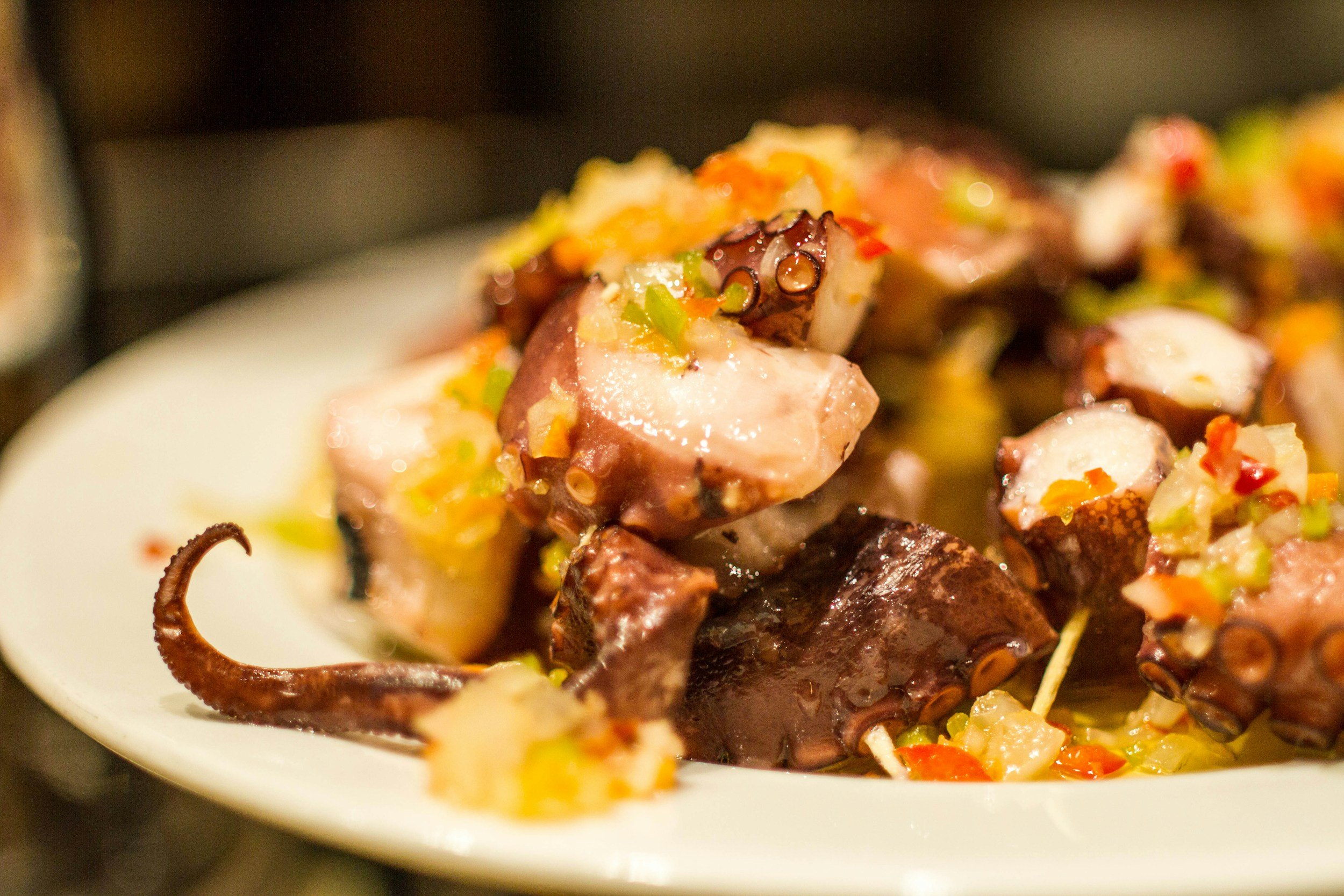
The flavor identity here is the sea. San Sebastian sits on the Bay of Biscay, and everything on the table reflects it: anchovies, hake, spider crab, baby squid, grilled turbot. And while the Basque region has become one of the most decorated culinary destinations on the planet, simplicity is still celebrated here. Step outside of your hotel into any bar or restaurant and find ingredients prepared in a no-frills way that has been passed down over generations.
What's simpler than a small piece of bread draped in anchovies and marinated peppers? Small bites like these are the epitome of San Sebastian food culture, called pintxos (pronounced pinchos). Designed for crowding around a bar with friends, the way most locals eat them is through txikiteo: bar hopping through the old town, stopping at each bar for one or two bites and a glass of Txakoli, the local sparkling white wine. Don't leave without trying La Gilda, the iconic San Sebastian pincho: an olive, anchovy, and a pickled chili, a small skewer you can eat in one bite.
On the pintxo circuit, Bar Nestor is the stop everyone talks about: two tortillas de patatas made per day (one at lunch, one at dinner), available until they run out. La Viña is where you go for Basque cheesecake, a burnt style that high-end restaurants around the world are copying.
For a high-end Basque food experience, drive an hour outside San Sebastian to the village of Atxondo. Asador Etxebarri currently holds the title of the second-best restaurant in the world and the best in Europe. Chef Bittor Arguinzoniz grew up around the corner from where the restaurant now stands, and has spent more than 30 years mastering the art of cooking over fire. Every dish on the seasonally changing tasting menu passes over custom-made grills, from the homemade chorizo that opens the meal to the milk ice cream with beetroot that closes it. The tasting menu starts at €300 per person and reservations open 90 days in advance, usually booking out within minutes.
Then there's Arzak, which holds three Michelin stars and has been in the family for generations, now led by Chef Elena Arzak alongside her father Juan Mari. The restaurant is housed in a century-old family mansion, and you feel that history at the table. The meal that unfolds here is a story about Basque tradition filtered through constant innovation: every dish on the tasting menu is developed in an on-site research kitchen where the team works with over 1,000 ingredients. The goal is to push the boundaries of Basque cuisine without losing its soul. Tasting menus start from €300+ per person, and if you're the kind of traveler who considers a great meal a destination in itself, it is worth every cent.
San Sebastian is a food destination that developed somewhat under the radar. By the time travelers caught up, restaurants and chefs there were on "best of" lists. It's a place where you can sample diverse, incredible flavors at 4 euros for a pintxo at lunch, then a Michelin tasting course bursting with innovation and tradition alike for dinner.

Which Of These Food Destinations Would You Choose?
Three incredible food destinations, each revealing different flavors and histories. Lima's fusion, Oaxaca's smokiness, San Sebastian's seaside saltiness.
When I presented these three options to my client, Sammy, she chose Lima without hesitation. "A friend in Des Moines introduced me to Peruvian food, and I've wanted to visit ever since. Plus, I'm a big fan of bold flavors, so Peruvian food checks those boxes for me." Oftentimes, the best trips are rooted in a personal connection to the place before you've ever visited. In Sammy's case, a trip to Peru was the continuation of her fascination with its flavors.
If one of these culinary destinations stood out to you, that's just the starting point. Let's make it a reality, or I can recommend other food trip ideas based on what you are imagining. Fill out my Design My Trip form and let's start building your food adventure together.
Whitney Shindelar

Undiscovered Sunsets was a long time in the making, even if I myself didn’t realize it. During my time at the University of Northern Iowa, I studied abroad in New Zealand. Upon graduating, I bought a one-way ticket to France, lived with a French family and studied with classmates from Turkey, China, Russia, Germany, Italy, and everywhere in between. In 2010 I began teaching English as a foreign language. This job quickly took me to China, where English teachers were in high demand and within three years, I began working in a 5-star hotel, speaking Mandarin throughout most of my day. In total, I lived abroad for 7 years.
I consider Undiscovered Sunsets to be the perfect mélange of my personal experience traveling the world and my professional experience working in the hospitality industry.
I look forward to designing your next adventure!