How to plan a luxury safari in South Africa (plus Gorilla Trekking in Rwanda)
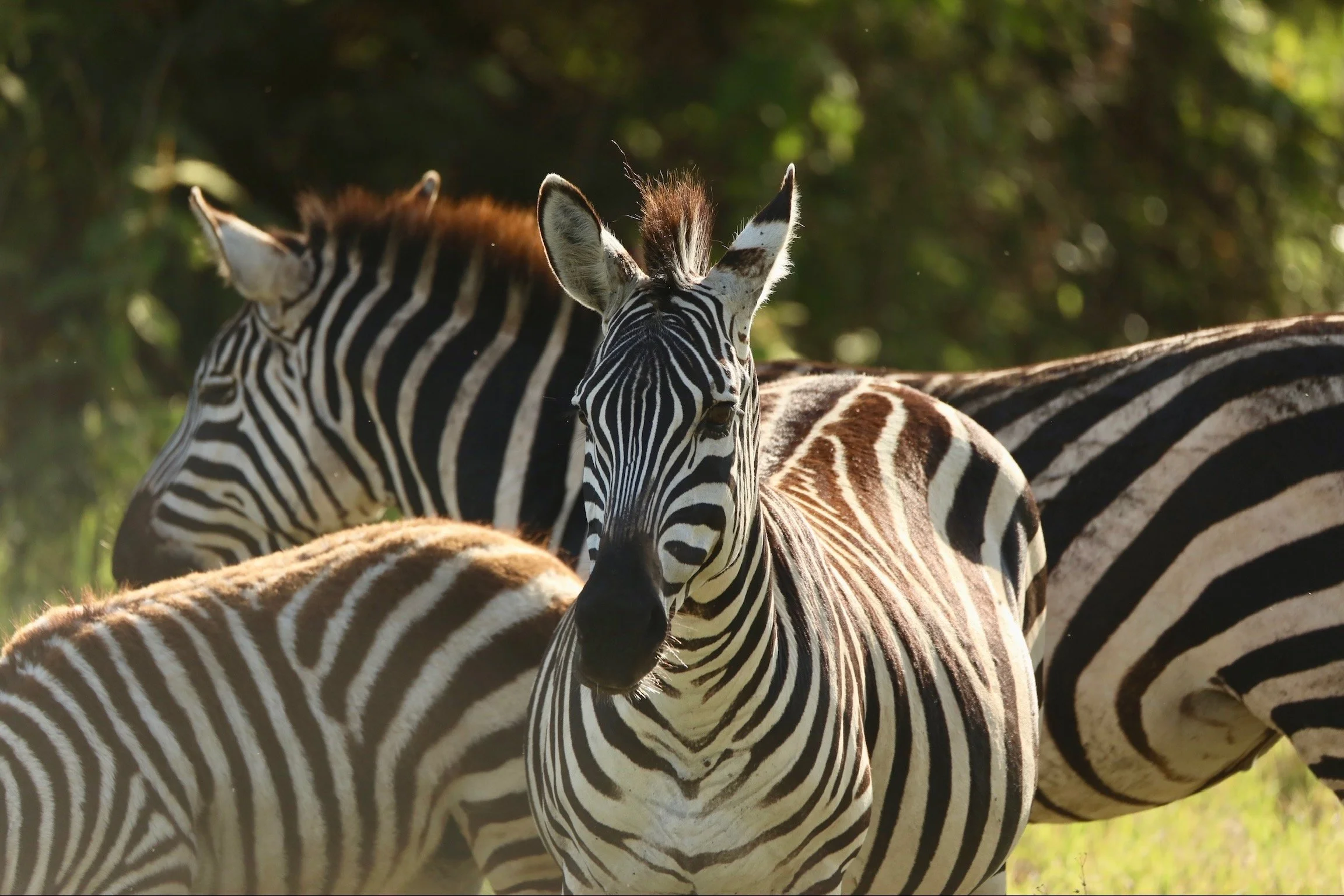
Are luxury safaris worth it? If you find yourself asking this question, you’re in the right place. As a traveler, it is important to evaluate if a specific trip like safari is right for you. But what I tell many of my clients is that safaris are one of the most adaptable trips you can take — and if planned right, your entire trip (not just the safari) can be tailored to your unique interests and reasons for travel. In the following article, I share a story about specific clients who came to me to plan a safari in South Africa and how I planned their 2-week African safari trip specifically to fit their season of life and passions.
Table of Contents
Day 6 – How do you get from Cape Town to Safari in Kruger Safari Region?
Days 6–8 – What Is a Day on Safari Like? Kapama Private Game Reserve Edition
Is a safari ‘worth it’ — and is it really a “once-in-a-lifetime” trip?
One of the biggest misconceptions travelers hold about African safaris is that they’re all more or less the same, seeing safari as a once-in-a-lifetime type of trip.
But as I often share with clients, once you experience safari, you’ll most likely want to repeat. The reason is simple: safari is one of the most adaptable travel experiences you can have, and no two safari journeys need to look alike.
After years of planning safaris across Africa, I’ve seen how dramatically the experience can shift based on what a traveler is looking for. Safari can be adventurous or deeply restorative, quietly luxurious or intentionally active — or a thoughtful blend of all of the above. It can be designed for families, couples, solo travelers, and across many stages of life. (I even recently planned a safari for a 93-year-old client.)
What matters isn’t age or physical fitness. It’s how the journey is planned, and how it aligns with what you want from the experience.
That flexibility became especially relevant during an early planning conversation with clients C. & G. As we talked, I found myself reading between the lines of their questions about safari; questions about pacing, energy, and how to think strategically about timing different experiences.
At one point, C. put it plainly:
“We’re getting to an age where we’re thinking about the next ten years of travel as the time to do the higher-physicality trips. And it seems like a safari is a once-in-a-lifetime trip that we should do sooner rather than later.”
I offered a reframe: let’s tailor this safari to fit your desires and interests. And if, in the future, you want a different safari experience, we’ll adapt it accordingly.
That’s when they shared that gorilla trekking in Rwanda had long been a dream trip, and that became my “aha” moment. While safari itself can be tailored across many stages of life, gorilla trekking is a physically demanding experience that’s best done while travelers feel active and ready for challenge. From there, I focused on solving the logistics: identifying the most efficient flight routes and sequencing the trip to minimize connections and travel fatigue.
With those pieces in place, the direction became clear. For this first African adventure, they wanted something dynamic and engaging. South Africa provided a strong foundation for the safari portion thanks to its flight connectivity and logistical efficiency, allowing us to pair a safari in South Africa with gorilla trekking in Rwanda in one cohesive journey.
What follows is a closer look at how that itinerary came together, along with answers to some of the most common questions travelers have when considering safari and gorilla trekking as part of a broader African journey.
How long is the flight from the USA to South Africa?
Flying from the USA to South Africa can take anywhere from 14-18 hours, depending on departure/arrival cities and layover times. Cape Town is a relatively easy safari destination to reach from the USA, with various flight routes and layover options available. C. and G. flew from Dallas, Texas, to Cape Town with a 5-hour layover at Doha Hamad International Airport.
In our initial discussion, they raised concern about complicated flight options for this trip, so I made sure to prioritize a day of intercontinental travel that felt seamless. The verdict?
“We had lovely flights from DFW to Cape Town! We are new fans of Qatar Airways, and we thank you for getting us seats together! The transfers between gates could not have gone better, and we felt very spoiled by the customer service we received.”
Day 1 - Arrival to Cape Town
They checked in to Cape Cadogan Boutique Hotel, a quiet oasis located just steps away from the energetic Kloof Town Neighborhood. This local-artisan infused historic hotel is one of my top picks for this type of trip. The onsite spa and pools make it a relaxing space to rest after a long day of travel. Plus, the Upper Union Restaurant – famed for a “somewhat rebellious menu” that draws guests from around the world – makes dinner one less logistic.
“Cape Cadogan Hotel was absolutely, positively fantastic! We were pampered by them, and the level of customer service was top-notch!”
Day 2 - How to spend a day in Cape Town?
You could spend an entire week exploring the dynamic city of Cape Town, but with intentional planning, you can see several highlights (Table Top Mountain, Bo-Kaap Neighborhood, museums, etc) in just one day.
C. and G. hit the ground running on the first full day in Cape Town with a privately guided tour of the city, led by a local guide with one of my trusted onsite partners. They hiked up Table Mountain and explored iconic sites in the city, from the South African Museum to the artistic and historic Bo-Kaap Neighborhood.
The objective? To give these culturally-driven travelers an overview of this unique city from a ‘local’s perspective.’
“We enjoy getting an ‘insider's view’ on the places we visited--part of the cultural exchange is hearing about the things locals love and hate about their towns. [Our guide] Anita was willing to share her thoughts on politics, art, history and current events. That level of communication made our trip memorable. Everything was beautifully planned out, striking the right balance between activity and rest. The hike up Table Mountain was an ass-kicking way to start things off, but the views made it 100% worth it!”
Day 3 - A full day tour of Cape Point and the Peninsula
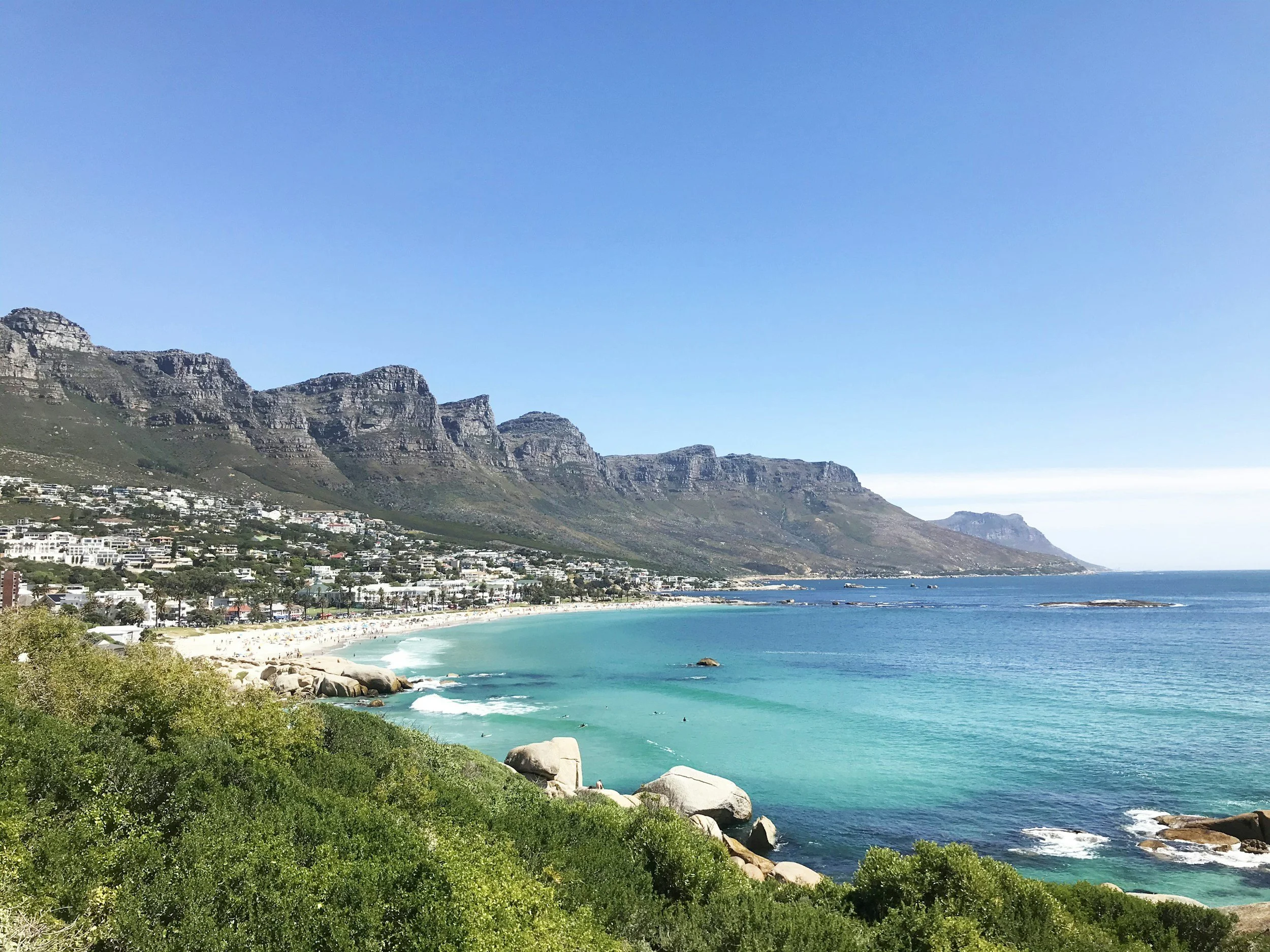
On their third day, C. and G. ventured beyond the city center for a full-day exploration of the Cape Peninsula, one of the most scenic drives in South Africa. Accompanied by their private guide, they traced the dramatic coastline, stopping at viewpoints that made it clear why this region feels so distinct from the rest of the country.
The day included:
A visit to Cape Point, where rugged cliffs meet the ocean at the meeting point of the Atlantic and Indian Oceans
A visit to Boulders Beach to see the famous penguins
Stops in charming seaside villages boasting iconic views and Victorian architecture
This day was intentionally designed as a contrast to city exploration.
Day 4 – A Day to Explore Cape Town Freely
I always recommend having “unplanned time” in the itinerary, because these are the moments of the trip where some of the most memorable moments can unfold. After two full days of sightseeing, C. and G. explored Cape Town at their leisure. I provided them with a range of ideas that could guide their day, including hikes, bike routes, art galleries, shopping, and culinary experiences.
Day 5 – A South African Winelands Tour
Exploring Franschhoek by bike is one of the most immersive ways to take in these unique winelands, also known as the “Gourmet Capital of South Africa.” C. and G. spent the morning cycling through the valley, stopping for two distinct wine tastings. They then visited the old farming district of Paarl, with vines nestled in granite rounding out their culinary experience.
Read more about how to pair a wine tour and a safari in South Africa.

Day 6 – How do you get from Cape Town to Safari in Kruger Safari Region?
Traveling from Cape Town to Kruger safari region involves a short 2.5 hour flight from Cape Town International Airport to Hoedspruit Airport, where someone from your safari camp will pick you up for a transfer to the camp.
C. & G. were visiting Kapama Private Game Reserve, home to the big five and an extensive wildlife ecosystem. After settling into their lodge and enjoying lunch, they immediately headed out for their first evening game drive.
“After leaving the airport and getting to Kapama, we were again shown fabulous customer service and received a top-notch experience. We hit the evening safari and were immediately awestruck by the animals we saw and the guidance we received.”
Days 6–8 – What Is a Day on Safari Like? Kapama Private Game Reserve Edition
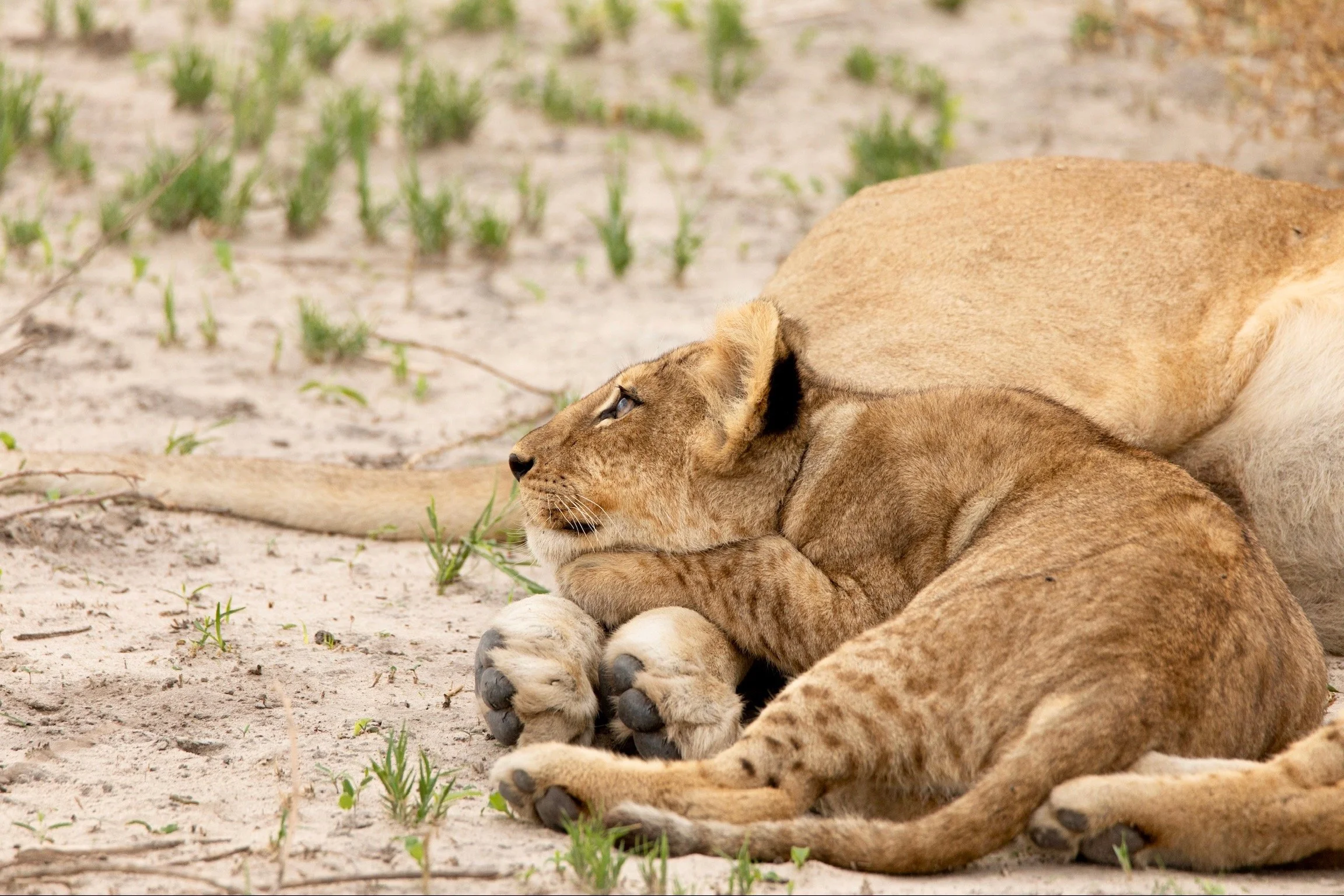
The next several days followed the classic safari rhythm — early morning game drives, leisurely breakfasts, and relaxation at the lodge. A typical safari day often looks something like:
05:30 am - Wakeup call
06:00 am - Game drive
10:00 am - Return from morning game drive
10:30 am - Breakfast
11:30 - 3:00 pm - Time to relax, nap, swim, enjoy a spa treatment…
03:00 pm - Tea / Coffee on camp deck, followed by game drive
8:00 pm - Return from game drive and dinner
C. and G. saw an extraordinary range of wildlife, but what stood out just as much was the balance. One morning included a guided bush walk, while another featured a couples massage at the lodge’s spa.
This portion of the trip demonstrated exactly what I’d described on our call: safari can be immersive and awe-inspiring without being physically taxing.
Day 9-10 – Travel to and Exploring Kigali, Rwanda
After three days on safari, C. and G. traveled onward to Kigali, Rwanda. This was a longer travel day with multiple flights, and while there was a brief delay en route, the itinerary had been designed with flexibility in mind and I made sure that they had all the information they needed for peace of mind.
They arrived in Kigali in the evening and checked into the Kigali Serena Hotel, starting the next day with a morning exploring Kigali, including a “deeply touching” visit to the Genocide Memorial. A private transfer to Wilderness Sabyinyo Lodge unfolded another shift in scenery and pace. Rolling hills, rural villages, and misty mountain views set the stage for the days ahead.
Wilderness Sabyinyo is Rwanda's first ever community owned lodge, using revenue to drive socio-economic and conservation initiatives in surrounding communities. Set on the edge of Volcanoes National Park, the property invites each guest into an immersive experience, from volcanic views to open-log fires to spacious verandas for relaxation and socializing with other travelers.
“Wilderness Sabyinyo — the most amazing place we’ve ever stayed. There was not a single thing about it we didn’t love.”
Days 11–13 – Gorilla Trekking in Volcanoes National Park
The final stage of their adventure took C. and G. on the physically demanding gorilla trekking experience that C. and G. had intentionally prioritized for this African trip.
Early morning sustainability and safety briefings at park headquarters were followed by treks of varying lengths and difficulty with guides and trackers, culminating in unforgettable face-to-face encounters with gorilla families.
In their pre-trip itinerary, I made sure that C. and G. received detailed information on what to pack and how to prepare for these treks, from rain gear to footwear to food to pack.
They also visited community-based initiatives in the region, including the Ellen DeGeneres Campus of the Dian Fossey Gorilla Fund, a research and education center with a mission to protect Rwanda’s gorilla population.
Day 14 – Return to Kigali and Journey Home
After a final morning in Volcanoes National Park, C. and G. returned to Kigali for one last meal at Afro-Asian fusion restaurant Kozo Kigali before beginning their journey home.
“It was a beautiful finale to a wonderful, life-altering trip. Thank you for giving us something more than just a trip — you gave us great memories.”
Is a safari ‘worth it’ — and is it really a “once-in-a-lifetime” trip?
On my initial discovery call with G. and C., I told them, “I have a hunch that this isn’t going to be your only safari.”
And judging from their feedback, I might be right. This particular safari and gorilla trekking itinerary was a “one and done” for the couple, but as I suggested, a future visit to a safari destination like Kenya might be right up their alley when they are ready for a more relaxed, leisurely pace.
Whitney Shindelar

Undiscovered Sunsets was a long time in the making, even if I myself didn’t realize it. During my time at the University of Northern Iowa, I studied abroad in New Zealand. Upon graduating, I bought a one-way ticket to France, lived with a French family and studied with classmates from Turkey, China, Russia, Germany, Italy, and everywhere in between. In 2010 I began teaching English as a foreign language. This job quickly took me to China, where English teachers were in high demand and within three years, I began working in a 5-star hotel, speaking Mandarin throughout most of my day. In total, I lived abroad for 7 years.
I consider Undiscovered Sunsets to be the perfect mélange of my personal experience traveling the world and my professional experience working in the hospitality industry.
I look forward to designing your next adventure!
Frequently Asked Questions About Safari and Gorilla Trekking
G. and C. weren’t my only clients who have raised the following questions about traveling to Africa for a safari or gorilla trekking adventure. Here are some of my insights as someone who has done three of my own safari trips and planned dozens for clients as a luxury travel advisor.
Is an African safari physically demanding?
Generally, no.
Most safaris are vehicle-based experiences, although you can tailor a safari to include more walking, biking, and even horseback riding. On a traditional safari, you spend the majority of your time seated in a four-by-four Land Rover tracking wildlife with time in between game drives to relax at the lodge.
Things to consider about safari:
early mornings, with a wakeup call as early as 5:30 am
long but mostly seated game drives (4–5 hours)
bumpy, off-road terrain
Where can you see gorillas in Rwanda?
Gorilla trekking in Rwanda takes place in Volcanoes National Park, located in the northwest of the country near the borders of Uganda and the Democratic Republic of Congo.
What can I expect from a gorilla trekking trip in Rwanda?
This is a highly regulated, conservation-focused experience with close access to mountain gorilla families. The following tips are crucial to set realistic expectations:
There are limited daily permits, which can impact planning. It is also common to find that the limited lodging is full, so even though you may score daily trekking permits, the dates might not coincide with lodge availability. Unless you love planning trips like you play tetris, I highly recommend connecting with a travel planning professional to handle this type of itinerary.
Treks can range from 1–8 hours, based on where the gorillas are located, weather, and other unplanned factors. As is always the case with nature-based trips, a degree of flexibility both physically and with expectations is required.
Steep, muddy, and often unprepared terrain mixed with high elevation does make this type of trip more physically demanding.
Can safari and gorilla trekking be combined in one trip?
Yes — and they pair well when planned expertly.
Safari and gorilla trekking offer very different experiences:
Safari: seated, immersive, vehicle-based
Gorilla trekking: physically demanding hiking
Why the combination works:
safari provides rest and recovery
gorilla trekking becomes the intentional, active highlight
South Africa + Rwanda offers efficient flight connections; Kenya + Rwanda is a common combo for safari-intense itineraries
The key is pacing and sequencing so the trip feels balanced, not exhausting. While you can plan this type of trip by yourself, I highly recommend seeking out professional support from a travel advisor to facilitate this complex planning and get the most out of your experience.
How much does a 2 week African safari cost?
Safari pricing is often misunderstood. While $15,000 per person is a realistic starting point for a 10-day safari, this can vary based on several factors, including privacy, lodge quality, complexity of itinerary, and the remoteness of a lodge location.
Rather than focusing on nightly lodge rates, safari should be viewed as a fully bundled experience that includes:
accommodations
meals
guides and game drives
park fees and activities
A helpful comparison I often share with clients is:
A 10-day, four- to five-star European itinerary often costs $15,000–$20,000 when all is said and done
A high-quality safari can fall into the same investment range
Safari is not necessarily more expensive, but the way the pricing is bundled makes it feel like a bigger investment.
Are luxury safaris ‘worth it’?
A safari is one of my absolute favorite types of trips to not only go on, but also plan as a travel advisor. It’s an experience that invites you to let go of control and truly sit back and be amazed by nature.
That being said, a safari can be greatly impacted by how it’s planned. There are many overlooked logistics that can even impact the breadth and depth of animal sightings. Logistics like:
Experience levels of guides and trackers
Lodge locations
The pacing of the trip and how many lodges you travel between
When designed well, safari becomes immersive, restorative, and remarkably easy — allowing travelers to focus fully on the experience rather than the details.